The Angry Drunk: How Alcohol and Aggression Are Linked
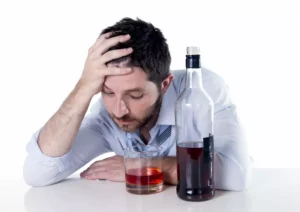
Physical handling of raging alcoholics is discouraged and should only be done if someone else’s life is at immediate risk. It should only be limited to physical restraint without harm, as raging alcoholics may disregard any injuries and keep fighting. They often lose control over the amount of alcohol they drink every day, and they end up consuming more alcohol to overcome the alcohol tolerance they build https://ecosoberhouse.com/ over time. In less pressing situations, you should start by offering support.
Psychological Causes of Alcoholism: Unraveling the Complex Web of Addiction
This type tends to be the life of the party, spreading positive energy. Conscientiousness typically decreases under the influence of alcohol, resulting in less careful and responsible behavior. Neuroticism may be amplified, causing some people to become more emotional or anxious when drunk. This point is easier said than done, but you can achieve it with help from a treatment program.
How to Help Someone with Anger and Alcohol Addiction Issues?
Increasingly, research offers answers to determine this interaction. Consuming alcohol can serve as a distraction from a range of angry drunk psychology negative feelings, including anger. And all too often, as in Ryan’s case, it reflects displacement, directing anger toward a target that is not the source of an individual’s original anger. Joe is generally mild-mannered but has underlying frustrations at work that he suppresses during his sober hours. When he drinks, however, these suppressed feelings of rage tend to surface and are often expressed without any filter or restraint.
- However, their judgment may still be impaired, leading to potentially risky decisions.
- In settings where heavy drinking is the norm, individuals may feel pressured to keep up, leading to overconsumption and increased risk of aggressive behavior.
- In these studies, male participants drank a dose of alcohol that placed them above the legal limit for driving a car – an average breath alcohol concentration of .09%.
- Remove yourself from the situation by walking away or leaving the house and taking your children with you.
- So here’s my call to action – next time you see someone turning into an ‘angry drunk’, don’t turn a blind eye.
Reduced inhibitions and impulse control
Social settings and peer pressure can create an atmosphere that encourages excessive drinking and aggressive behavior. A person who is already feeling sad or angry may become more emotional when drinking, leading to what some might call an “emotional drunk” personality. Sad drunks may be using alcohol to cope with underlying mental health issues. Their behavior can create a somber atmosphere and may make others uncomfortable. Start by thinking about your feelings regarding alcohol and anger.
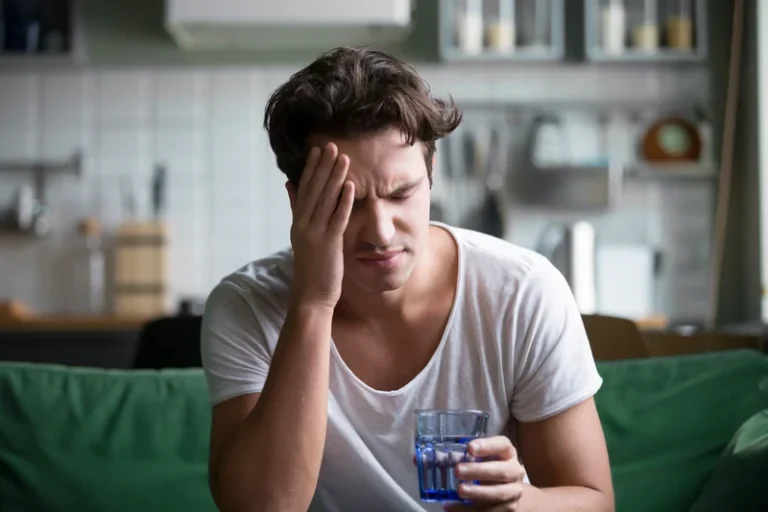
Group dynamics can amplify certain personality traits when drinking. Some individuals may become more outgoing or boisterous in an attempt to fit in or stand out among their peers. Peer pressure can encourage individuals to drink more than they normally would, potentially leading to excessive intoxication and altered behavior.
It’s a complex interplay of biological predispositions, psychological factors, and social influences. Drug rehabilitation Understanding this complexity is crucial for addressing alcohol-induced aggression effectively. Cognitive distortions play a significant role in alcohol-induced aggression as well.